3 minutes
Stories are very important in children's lives and development. Considering the benefits of encouraging classroom reading, the storyteller's role is very important.
A story is essentially a narrative created by one or more authors that, being very short and simple, is ideal reading for younger students.
What is a storyteller?
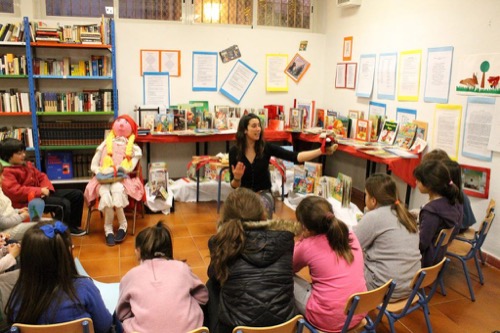
A storyteller is essentially a person who tells stories in public, using gestures and voice with one objective: immersing listeners in the story they want to convey.
From an educational perspective, a storyteller can develop students' imagination and emotional intelligence, as well as their ability to concentrate, while conveying values and promoting competencies such as reading comprehension and literacy.
What are the specific advantages of being a storyteller?
- It stimulates children's imagination differently from reading, because telling a story involves factors such as body expression and tone of voice, making the experience more exciting.
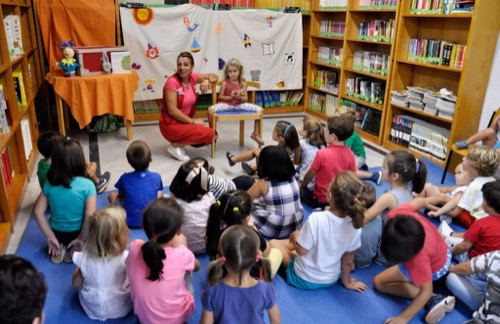
- As a group experience, storytelling encourages classroom group cohesion.
We have tried to define what a storyteller is and the advantages of putting this role into practice in the classroom.
How do I become a storyteller?
The first unwritten rule of storytelling is that no two storytellers are alike, because each of us has our own limitations and abilities.
These tips will help develop the storyteller within you:
- Choose a story you like: Remember that you must make it your own, bringing a viewpoint only you can see to give students an incredible experience. Also, memorizing it or knowing it well allows a highly productive and stimulating degree of improvisation.
- Practice: do voice exercises, work on tone and articulation, and find expressions that feel comfortable. Try standing in front of a mirror and practicing mime and gestures, acting out situations from the story. You can use elements such as puppets or objects to enliven your narration.
- Enjoy yourself: Only if you enjoy what you do will you convey your passion to students.
Reinforce the story.
After telling the story, you can allow time to talk about it, draw a picture, wonder whether there could be another ending, or discuss the favorite part. If the story came from a book, an excellent way to encourage reading is to give students the book afterward. If it has illustrations, they can see their imaginings reflected and compare both visions of the story.
We want to share this website, where you will find a wide variety of stories that may be very useful: Chiquipedia.com
What stories or tales would you like to tell? How would you adapt them? Comment and share with the Colplex community!