3 minutes
Every April 2, the world comes together to raise awareness of autism, a neurobiological condition affecting millions of people worldwide. Beyond figures and diagnoses, remember that every autistic person is unique, with talents, challenges, and ways of seeing the world that enrich our society. In education, including autistic students benefits not only those on the spectrum but also strengthens the entire school community.
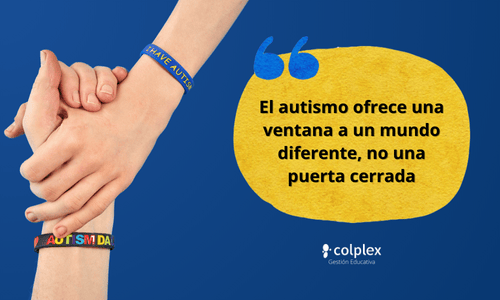
Autism is not an obstacle to success. Historical figures such as Albert Einstein, Isaac Newton, Wolfgang Amadeus Mozart, and Bill Gates have been identified as possibly being on the autism spectrum. Their genius and contributions show that neurodiversity is a strength.
Understanding the autism spectrum: an inclusive perspective
Understanding of autism has evolved significantly over the years, dispelling myths and promoting inclusion. Although educational institutions and society once faced major adaptation challenges, significant progress has now been made toward environments supporting the overall development of people on the autism spectrum.
Every autistic person has individual strengths, abilities, and challenges. Some may need communication and social support, while others may excel in specific areas such as mathematics, music, or visual memory. There is even what is known as savant syndrome, in which some autistic people demonstrate exceptional talents in specific disciplines.
According to the World Health Organization (WHO), approximately 1 in 160 children has Autism Spectrum Disorder. Because autism manifests differently in each person, diagnosis is not based on a specific test but on observing behavior and social interaction from an early age.
Regardless of where someone is on the spectrum, each person is different, unique, and special. Their worldview offers new perspectives and innovative solutions to everyday challenges. It is not about seeing autism as a problem, but understanding that everyone faces different challenges and deserves support to develop their potential.
Education's role in including autistic people
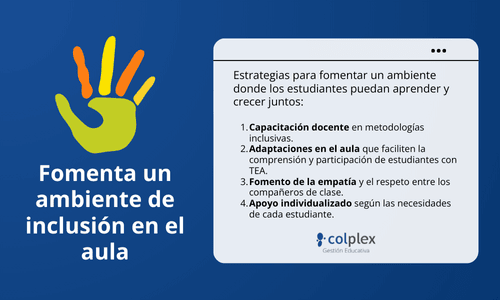
Educational institutions play a key role in including children and young people with ASD. Suitable strategies can foster an environment where all students learn and grow together. Initiatives include:
- Teacher training in inclusive methods.
- Classroom adaptations that facilitate understanding and participation for students with ASD.
- Encouraging empathy and respect among classmates.
- Individualized support according to each student's needs.
In Guatemala, the Asociación Guatemalteca por el Autismo has been a pillar of awareness and support for families and children with ASD. Since its creation in 2012, it has developed educational and therapeutic programs addressing each child's needs, while also training institutions and families.
An inclusive environment for growth and well-being
Beyond education, social and work environments must also be inclusive. Many autistic people can contribute unique professional skills when given suitable opportunities. Businesses and organizations can promote neurodivergent diversity through reasonable workplace accommodations and employee awareness programs.
The emotional well-being of autistic people and their families must also be a priority. Support networks, safe spaces, and adequate resources make a difference to their quality of life.
An inclusive future for autism
To all autistic people and their families: every challenge is an opportunity to demonstrate strength and growth. You are valuable and capable, and deserve a world that supports and respects you.
To teachers, educational institutions, and families: the path to inclusion starts with small actions. It is not about treating people differently, but treating everyone equitably, offering the support needed so every child and young person can reach their potential. Let us build more inclusive, accessible education for everyone.
Be part of the change!
From the classroom to society, each of us can contribute to change. Let us encourage inclusion, break down barriers, and work toward a future where everyone is valued and respected for their authenticity.
Is someone in your life on the autism spectrum? Share a supportive message or an experience in the comments to help raise awareness and encourage inclusion.