5 minutes
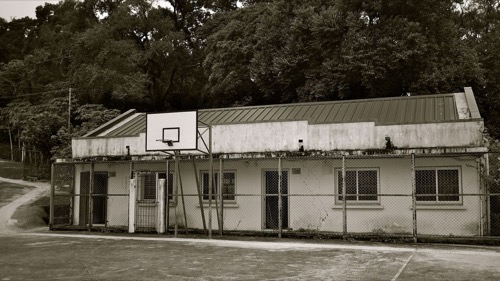
In most cases, armed conflicts, natural disasters, protests, pandemics , and other crises prevent many students from attending educational institutions.
Even in an unprecedented crisis, when communities have lost everything, the provision of education remains at the top of families' priorities.
School closures in many countries to limit the spread of COVID-19affect the education of millions of students worldwide.
Everyone involved in education has a duty to foster more resilient, adaptable educational systems that ensure education continues in the midst of, during, and after crises.

In any adverse situation, motivation and creativity are essential strategies for those continuing in their roles as educators or students.
These actions call for flexible, collaborative activities that incorporate creativity. Many of these activities can be carried out through Colplex Educational Platform. This platform allows students to continue learning because it is easy to access and interact with.
Using these technological tools as an alternative to traditional resources helps establish debates on topics previously identified by the teacher, reflections on readings and videos, and assignments for students to complete, all without exposing themselves to risks from any critical situation.
To ensure education continues in times of crisis, you can follow this short guide:
Check the state of the crisis and use suitable tools
Choose technological solutions according to the reliability of the electricity supply, internet access, and teachers' and students' digital skills.
These may include platforms that facilitate and automate education, such as Colplex Educational Platform, video lessons such as Khan Academy or PruebáT, and even broadcasting courses through radio and television channels.

Ensure inclusion in distance learning
Measures must be taken to ensure students can access distance learning programs, particularly students with disabilities or from low-income families.
Watch for potential psychological problems
Be alert to psychological problems that fear and isolation may cause students, and have a plan to minimize them.
Plan the development of distance learning programs
It is important to examine how long educational institutions will be closed and determine whether the distance learning program should focus on teaching new knowledge or instead reinforcing knowledge already acquired in previous lessons.
Schedules must also be organized considering the affected area's situation, educational level, students' needs, and parents' availability.
Carefully choose appropriate teaching methods according to the context of school closures and quarantine. And it is virtually essential to avoid teaching methods that require face-to-face communication.

Provide teachers and students with support in using digital tools
Organize short training or orientation sessions for teachers and parents if they need follow-up and support.
It is important to help teachers ensure learning continues.

Limit the number of applications and platforms
Combine the tools or communication media students can access for both communication and learning.
Try to centralize all communication and education on a single digital platform. Avoid confusing students and parents by asking them to download or try many applications and platforms.
Establish rules and remember to monitor the learning process
Develop questions, assessments, and learning exercises designed to track students' learning.
Whenever possible, use tools through which students can provide feedback easily.
Define the length of distance learning units. It is also important to maintain a teaching pace consistent with students' skill levels, particularly if you plan to broadcast live classes.
Learning units for primary students should preferably not exceed 20 minutes, and those for secondary students should not exceed 40 minutes.
Create communities and promote social connections
It is important to create communities of teachers, parents, and principals to combat students' feelings of loneliness or distress and facilitate exchanges of experiences and discussion of strategies for managing learning difficulties.
Educating in times of crisis has become a challenge, testing our ability to adapt teaching strategies to new realities.
For the thousands of young people who want to improve themselves, crises become a major challenge. Taking action outside education's rigid parameters is a practice that will help them improve their abilities and skills, developing their competencies with sacrifice but plenty of creativity.

Source: UN