4 minutes
When an emergency occurs at an educational institution, everyone must know what to do. There is no room for improvisation; everyone must be clear about how to act.
Preparation is essential to achieving this. That is why we are going to show you how to create an evacuation plan step by step.
How do you design an evacuation plan?
It is essential to have floor plans of the educational institution These must indicate where evacuation routes and protective equipment are located. The overall building plan must also identify the streets surrounding the building and where an assembly point can be established if the building is evacuated.
The plan must also show the exits to the outside and use arrows to indicate the evacuation route. Next, create a plan for each floor showing walls, doors, and stairs. Arrows must mark the way out.
The locations of alarm call points and fire extinguishers must be marked.
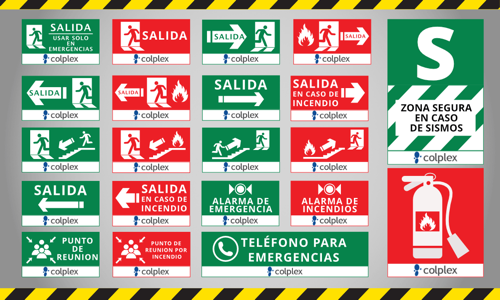
You can download these high-resolution resources we created to help you put up signs at your educational institution.
Write out every part of the evacuation plan
Include the most important information, such as the institution's name and the number of administrative staff and students. Identify and describe the different areas, marking all relevant information. You must also identify the various facilities available for protection against fires and earthquakes.
Another vital point is to describe the different risks in the building. They must be classified by severity: low, medium, or high risk.
It would also be advisable to assess external risks. For example, the risk of flooding or an earthquake, remembering to consider the building's surroundings (for example, whether there is a nearby gas station, a toxic product warehouse, or the sea).
What action should be taken?
Once all risks are clearly understood, an action plan must be written. Establish who will be responsible in the event of an emergency and evacuation.
Determine their responsibilities (counting administrative staff, teachers, and students; notifying emergency services; blocking off and evacuating high-risk areas; shutting down ventilation systems; turning off the main electricity and gas supplies; etc.).
Then establish the procedure for evacuating the building or going to previously identified and marked safe areas.
It is important to determine what to do if the main evacuation route is blocked. You must also establish how to assist people with reduced mobility.
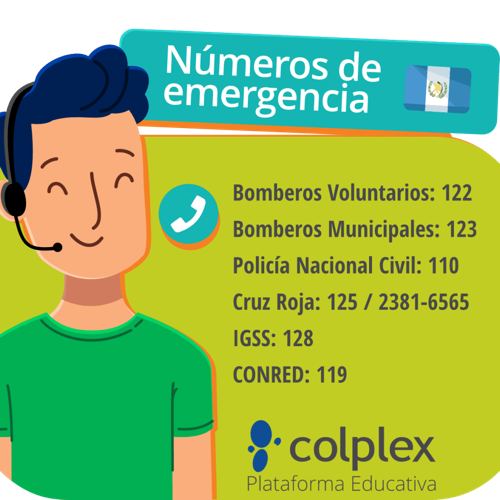
Of course, the plan must include the telephone numbers of the main emergency services, along with the person or people designated to raise the alarm.
Finally, establish when evacuation drills will take place and make the necessary plans for all employees to participate. These activities are very useful for determining whether they are adequately prepared to deal with an emergency.
It is important to conduct an assessment during the evacuation drill to identify areas for improvement. You can use our evacuation drill assessment template:

How should you act during an emergency evacuation?
- Keep your emotions under control. Do not run frantically or shout, as these behaviors are contagious and cause panic. Try to calm others.
- Keep the evacuation route clear, with desks away from the exit door.
- When you hear the warning alarm, evacuate immediately to the outdoor safe areas, walking naturally with your arms by your sides.
- Move away from the building's façade and glass windows, as shards can cause injuries.
- If someone falls during the evacuation, help them up immediately, without shouting or becoming frantic, to avoid causing panic.
- The school's emergency team will make sure all students have left the building.
- School leaders must assess the damage caused during the emergency and decide whether classes should be suspended or resumed.
Clearly, all educational institutions need an evacuation plan, so do not wait any longer: implement an emergency and risk management plan as soon as possible.
Do not forget to share the plan you have developed so everyone knows their role and is prepared to act in the best possible way.