 Nomiplex
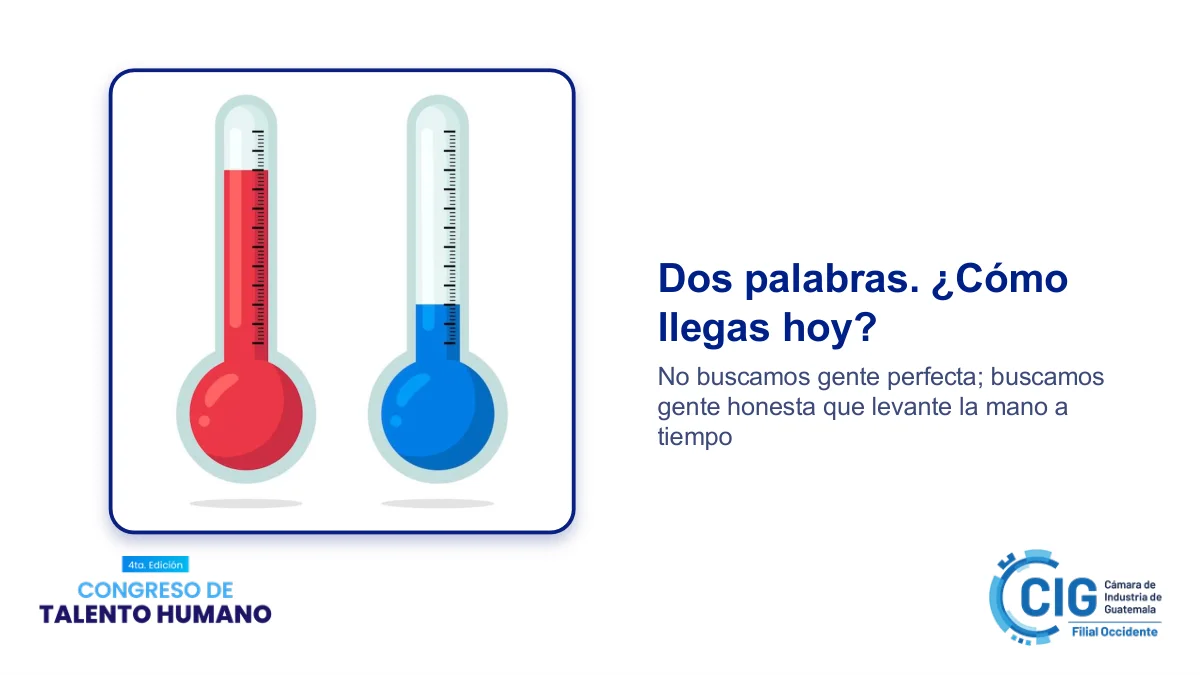
“How are you arriving today?” Open the weekly meeting with that question and invite a two-word answer. “Excited and overloaded” can say more about a conversation’s starting point than an automatic round of “all good.”
The leader answers first. Showing that enthusiasm and unfinished work can coexist opens a possibility for honest conversation. We are not looking for perfect people who never make mistakes, but people who can raise a hand and ask for help early.
Model openness simply
Share your two words without turning them into a speech or asking others to have the same experience. Then explain that anyone can pass or respond only about work, without justifying their choice.
The thermometer starts a conversation; it does not classify emotions. Two words are enough; nobody needs to share intimate circumstances or discuss their health in front of the group.
Keep the round brief and accept different responses naturally. Trust does not come from demanding openness: it is practiced when an uncomfortable answer receives the same respect as an enthusiastic one.
Listen so something real can change
If someone says they arrive overloaded, offer a concrete question: “Should we review any priorities before starting?” Clarifying which delivery comes first, moving a conversation or agreeing help from a colleague may be enough.
When more discussion is needed, offer a private conversation afterward. Explain what you can decide and what requires consultation, without promising resources you do not control.
Edmondson’s research relates psychological safety to team learning; it does not show that this ritual creates safety on its own. Its everyday value lies in what happens after listening: addressing a question, accepting a mistake or responding to a request for support.
Follow up on agreements, not moods
If the round reveals a shared difficulty, retain the work agreement: review priorities, remove a blocker or clarify responsibilities. There is no need to record who said each word or build emotional histories.
Nomiplex can provide clarity about supervisors, schedules and employment requests when a need becomes a concrete process. That operational foundation helps direct the response without turning the conversation into personal-data collection.
After a few meetings, ask whether the practice helps. Adjust the format if needed. The objective is not to complete a perfect round, but to make it easier for a need to surface before becoming a larger problem.
Put it into practice with Nomiplex
At the next weekly meeting, answer “How are you arriving today?” first and invite two words or a pass. Listen and agree a feasible action when someone requests support: clarify priorities, identify the responsible person or reserve a private conversation.
If the person later chooses to request leave or vacation, direct the process to the Nomiplex portal. Explain the dates and minimum work-related comments needed, who reviews the request and where to check its status. Keep the round’s words outside the employee file: the system manages the request, not the team’s mood.
Request a Nomiplex demo to explore that operational request workflow.
Sources and further reading
- Edmondson (1999). Psychological safety and learning behavior in work teams. DOI.