3 minutes
Using podcasts in education promotes verbal skill development and offers an easy way to integrate ICT into the classroom while creating a dynamic learning experience.
What is a podcast?
A podcast is an audio multimedia file shared through digital media. It is a storytelling resource whose benefit lies in content that can be downloaded and listened to at the user's convenience.
This resource lets students carry out their learning process at their own pace, allowing them to take a lesson as many times as necessary.
How do you make a podcast?
Creating a podcast follows a process similar to making an educational video. It is very simple and easy to put into practice in your classroom. Podcast creation has three phases: Preproduction, Production, and Postproduction.
- Preproduction: It is important to identify the topic, conduct the relevant research, and develop a script for the content you want to communicate.
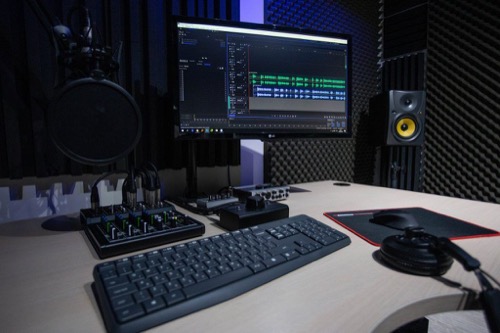
- Production: At this stage, the podcast is recorded. You can use a phone's recorder or a computer.
- Postproduction: Listen to the recording and edit it if necessary. You can add background music or sound effects to produce a more engaging podcast.
After this process, you can use a distribution service to share it with your students. These tools offer COMPLETELY FREE plans:
iVoox
iVoox is one of the best-known podcasting platforms, used especially by people publishing Spanish-language content. It offers an unlimited free plan, meaning you can upload as many episodes as you want, although there are certain restrictions: files must be MP3, cannot exceed 300MB or two hours in length, and include advertising at the beginning of the episode.

Anchor
Its application is very easy to use. One advantage is that it allows background music from Apple Music or Spotify. There is no limit to the audio clips you can upload, although each clip must be no longer than two hours and no larger than 300MB.

Using podcasts in education
Now that we understand what a podcast is and how to create one, we can generate ideas for including it in a teaching and learning process.
If you decide to supplement your classes with podcasts, you can create your own about a specific topic and discuss it in class after listening. You can also have students listen at home and carry out activities based on the content in class, helping you identify whether it was understood.
Encourage students to make their own podcast
If you have practiced using podcasts in education, it will be very easy to ask students to create their own with clear guidance and specific objectives.
First, encourage them to find a podcast on a topic that interests them and listen to understand how one is made.
There are several education-related podcasts. One of the most listened-to is the Spanish popular science podcast Cienciaes.
When students create podcasts, they can develop verbal expression skills because they must understand concepts to explain them. This gives you the opportunity to use podcasts as an indirect assessment tool.
What do you think about including podcasts as a teaching tool in your class? Do you think they would motivate your students?